Teacher Resources | Angela Legh
The Bella Santini Chronicles · For educators

Magical worlds.
Real classroom dynamics.

Explore bullying, queen bee behavior, classroom hierarchy, and the emotional patterns beneath behavior through Bella’s adventures and companion teacher guides.

Deeper questions for educators

Look beneath the behavior.
Examine the whole classroom.

Bullying, power & accountability When a child seeks power by hurting others, how do we address what drives the behavior while protecting those being harmed?

Novaq’s story opens questions about learned beliefs, vulnerability, and control. Understanding his pain does not excuse the harm he causes.

Explore through the story: What does Novaq gain through intimidation? Who bears the cost? What would need to change beyond stopping one incident?

Explore the Book One and Book Two guides →
Queen bee behavior & social exclusion When belonging depends on one child’s approval, what are the others learning to tolerate—and who pays the price?

The guides’ discussions of relational jealousy and classroom hierarchy offer a way to examine exclusion, competition for attention, and control over a group.

Ginekei’s pursuit of status opens questions about what happens when worth becomes tied to being above someone else.

Explore through the story: Who controls access to belonging? What might others fear losing by challenging that control?

Explore Book One’s relational jealousy and classroom hierarchy, and Book Two’s discussion of Ginekei.

Classroom behavior & emotional safety What might we miss when we judge a child’s emotional well-being by how quietly they comply?

The guides distinguish emotional awareness from suppression. They invite educators to consider withdrawal, perfectionism, people-pleasing, and overt disruption while remaining curious about what a behavior may mean.

Explore through the story: Which feelings can a character express openly? Which must they hide to keep approval? What does that silence cost them?

Explore emotional self-mastery, triggers, and suppression in Book One and Book Two.

Jealousy, comparison & hierarchy How might our systems of praise, attention, and achievement reinforce the hierarchy we want children to move beyond?

Ginekei’s belief that she is secondary invites reflection on comparison and the search for recognition. The Book One guide asks educators to examine the hierarchies classrooms can create around achievement, popularity, and adult approval.

Explore through the story: When does another person’s success become a threat to a character’s worth? How does that belief change what they do next?

Explore classroom hierarchy in Book One and The Poison of Unseen Jealousy in Book Two.

Helping, rescuing & personal agency When does stepping in help a child become more capable—and when does it leave them believing they cannot act without us?

The guides explore shifting roles of victim, persecutor, and rescuer. Use these as patterns to examine in fictional interactions, while keeping each person’s responsibility for their own actions clear.

Explore through the story: Who makes decisions for whom? What support would give a character more voice and choice? When does protection become control?

Explore the victim–persecutor–rescuer patterns in Book Two and Princess Bella.

Inherited prejudice & belonging How do children learn who deserves respect—and what does it take to question a belief that brings approval from people they trust?

Novaq’s inherited ideas about superiority connect prejudice with family influence, identity, and belonging. His story offers a way to examine what is taught, what is assumed, and what can be reconsidered.

Explore through the story: Whose beliefs does Novaq repeat? What evidence does he overlook? What might questioning those beliefs put at risk for him?

Explore bigotry and perspective in Book One and Bullying and the Echo of Inherited Beliefs in Book Two.

From the Princess Bella teacher guide

Further into the dragon’s lair

Leadership & responsibility

When a capable leader causes harm, what does taking responsibility require beyond good intentions?

Explore Eithiss’s mistake, humility, and the choices that follow. How does he respond when he recognizes the impact of his decision? What distinguishes an explanation from an excuse?

Explore the Princess Bella guide →
Forgiveness & boundaries

How can we make room for forgiveness without rushing a child past hurt?

Explore forgiveness as a personal choice, alongside accountability and clear boundaries. How are forgiveness, trust, and reconciliation different? Let students examine the characters without requiring personal disclosure.

Explore the Princess Bella guide →
Your classroom companions

Choose your teacher guide

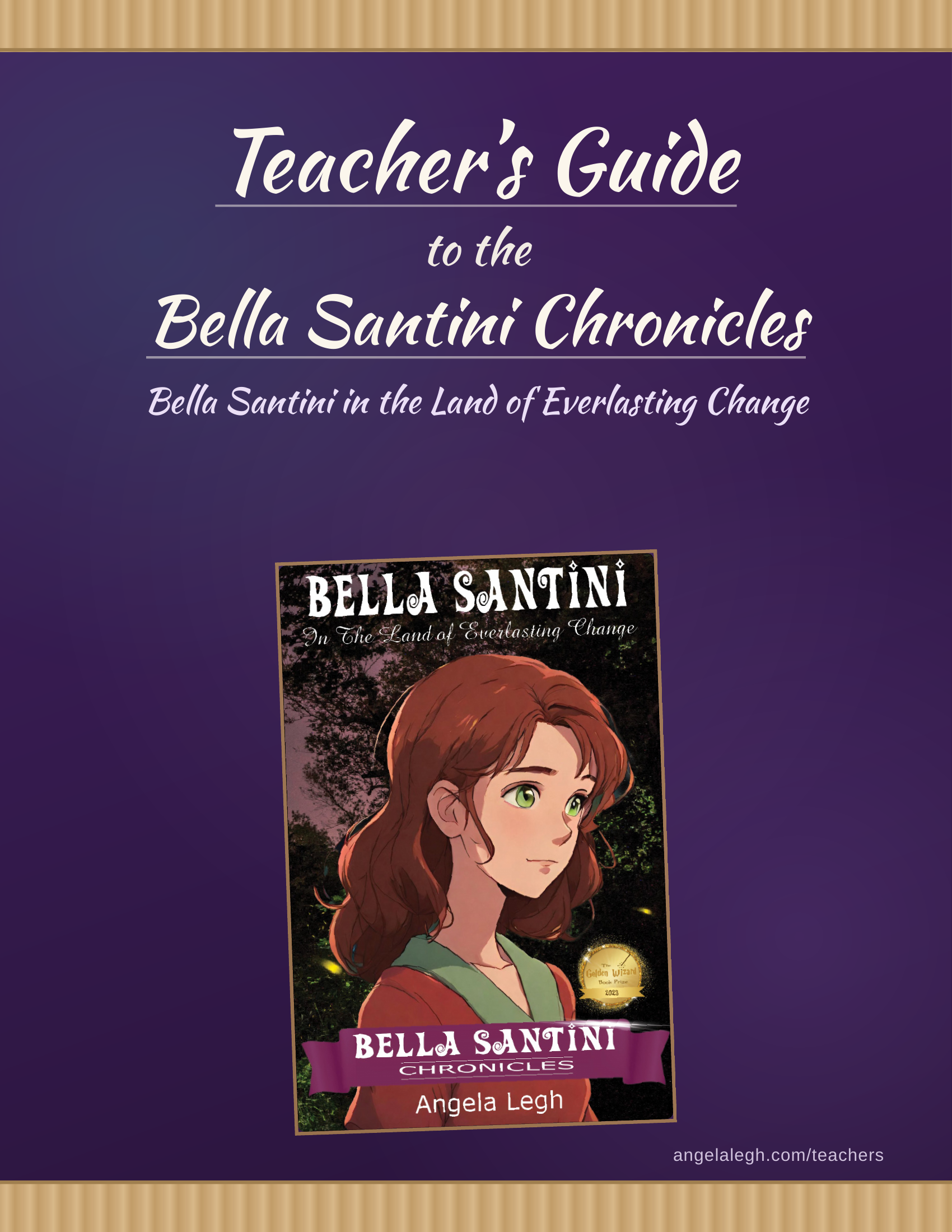
Teacher’s Guide: Bella Santini in the Land of Everlasting Change Book One · Free teacher guide

Bella Santini in the Land of Everlasting Change

Bullying, relational jealousy, classroom hierarchy, adult influence, prejudice, and perspective.

View Book One guide →
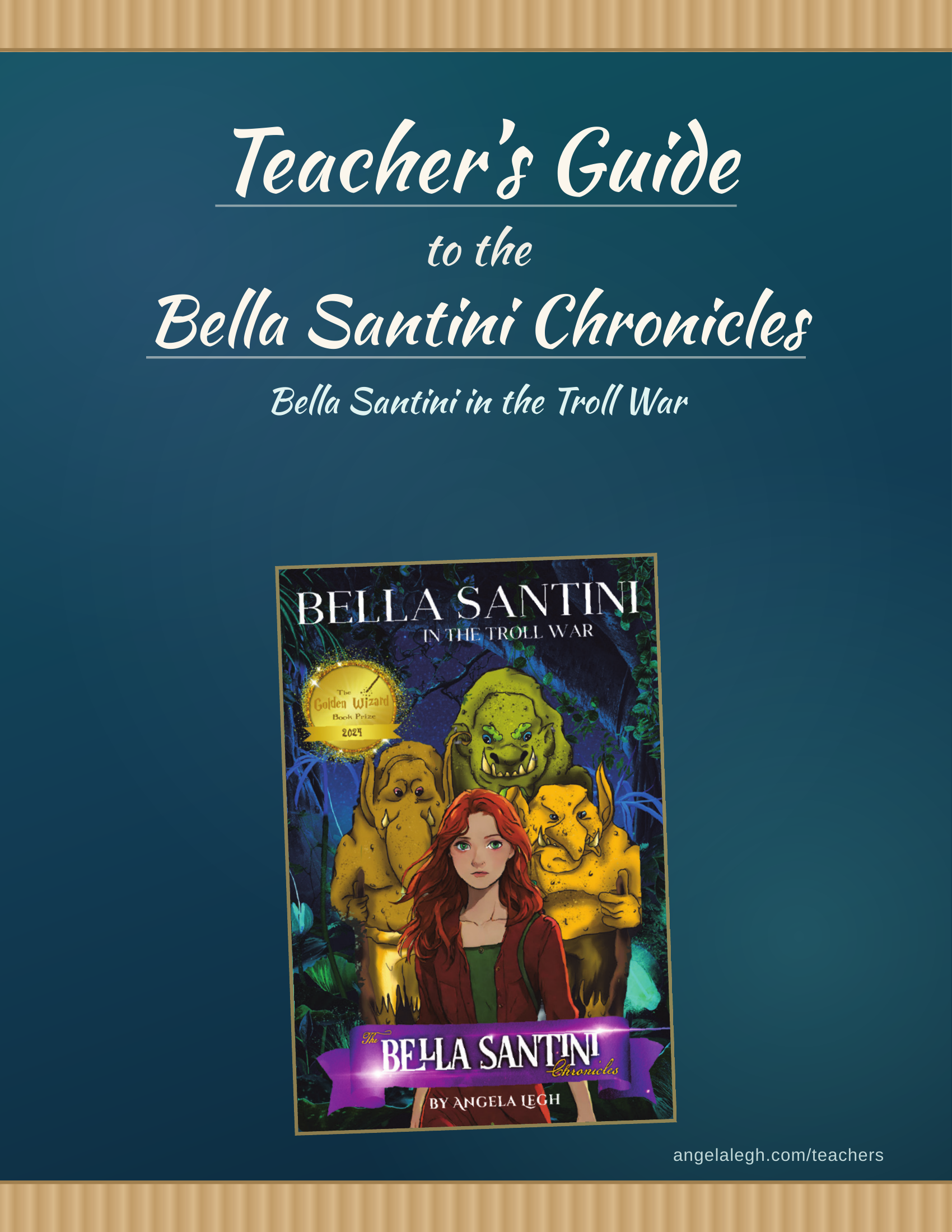
Teacher’s Guide: Bella Santini in the Troll War Book Two · Free teacher guide

Bella Santini in the Troll War

Inherited beliefs, jealousy, family separation, recurring conflict, compassionate boundaries, and difference.

View Book Two guide →
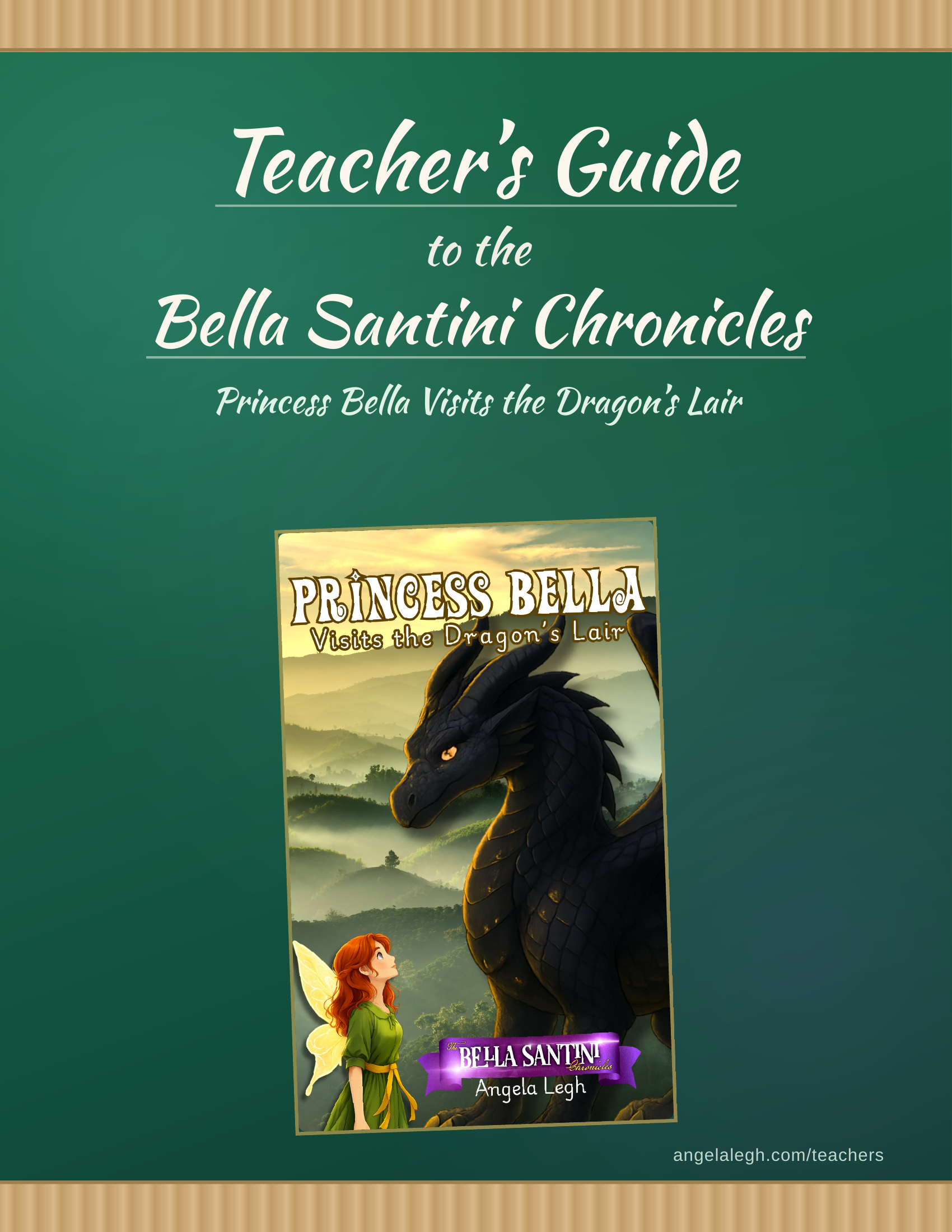
Teacher’s Guide: Princess Bella Visits the Dragon’s Lair Book Three · Free teacher guide

Princess Bella Visits the Dragon’s Lair

Self-trust, blame and responsibility, forgiveness, leadership, and the feelings beneath harmful behavior.

View Book Three guide →

Begin with one scene and one question.

Read together. Follow a question. Make room for different perspectives.

Get the Latest Tools & Emotional Wisdom!

Want to know when new resources drop?
Sign up for the newsletter and be the first to receive fresh downloads, practical tips, and Angela’s best insights on building emotionally safe, magical learning spaces.